From India to China: A Learning Journey into Trade & Development
April 20, 2026
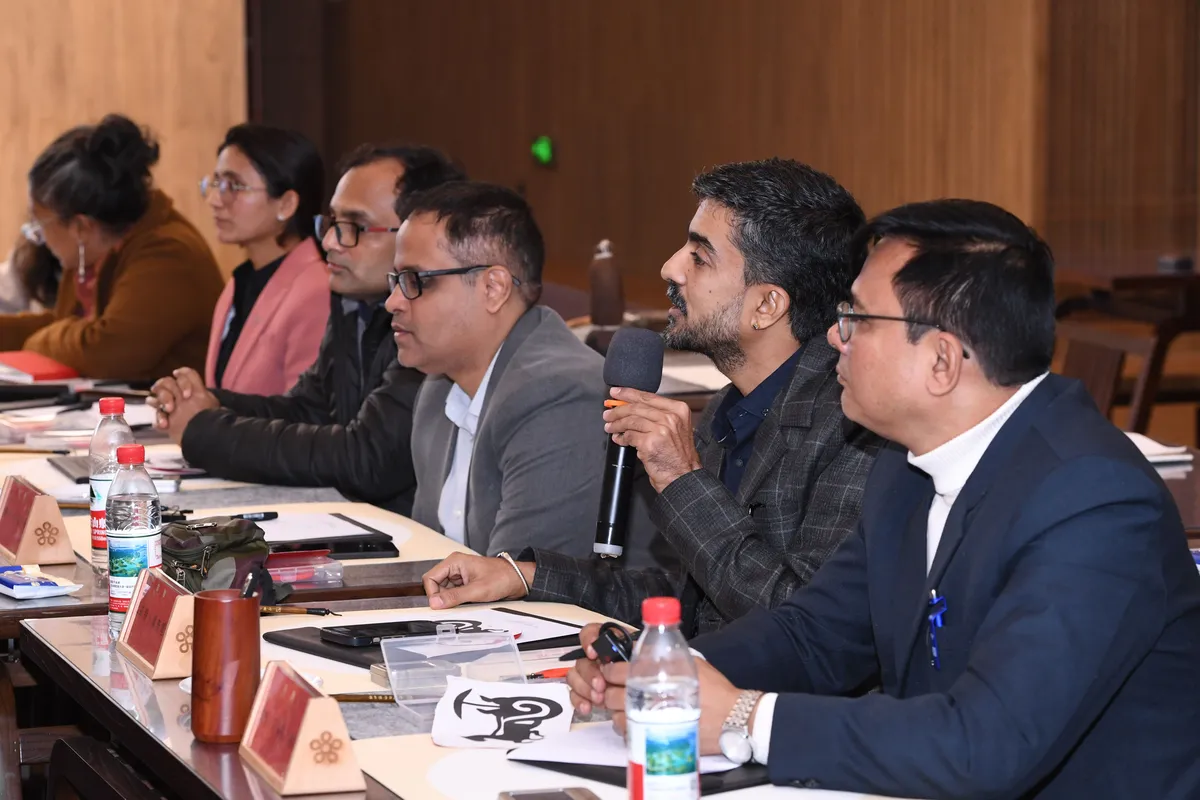
India–China Friendship Delegation 2025: A Learning Journey into China’s Trade & Development Model
In November 2025, I had the privilege of representing the BRICS Chamber of Commerce & Industry (BRICS CCI) as part of the India–China Friendship Delegation, organised by the Chinese Association for International Understanding and the International Department of the Communist Party of China.
Along with 15 Indian leaders from entrepreneurship, policy, journalism, law, and education, I travelled across Beijing, Shandong, and Guizhou to understand China’s development and trade ecosystem from the inside.
This journey was not about travel , it was about learning how systems operate at scale.
Understanding China’s Trade & Industrial Strength
From innovation hubs in Beijing to regional industries in Guizhou, one thing was clear China’s trade success is deeply rooted in structured execution and long-term planning.
Key observations:
- Strong integration between manufacturing, technology, and logistics
- Industrial zones designed for efficiency and scalability
- Seamless infrastructure supporting domestic and global trade movement
The Beijing Economic & Technological Development Area reflected how innovation directly contributes to economic strength especially in robotics, automation, and smart manufacturing.
Trade Beyond Cities: The Power of Regional Development
In provinces like Guizhou, I witnessed how China connects local industries with national and global markets:
- Agricultural products linked to processing units
- Cultural industries converted into tourism economies
- Rural regions developed with infrastructure + skill-building + market access
This integrated approach ensures that trade is not limited to major cities it becomes a nationwide growth engine.
Key Learnings from China’s Trade Model
This journey offered clear, practical insights:
- Planning drives trade growth – Every sector operates with a long-term roadmap
- Infrastructure enables speed – Logistics and connectivity reduce friction
- Local + Global integration – Even small regions contribute to exports
- Discipline ensures consistency – Systems function because people follow them.
Conclusion
The India–China Friendship Delegation was a valuable learning experience that provided a deeper understanding of how China has built a strong, scalable trade and development ecosystem.
For me, this journey reinforced one core idea:
Growth is not just about opportunities - it is about building systems that can consistently convert those opportunities into outcomes.
It also opened new perspectives for future collaboration, knowledge exchange, and strengthening India’s approach towards structured economic and educational growth.